Idaho homeowners in 2026 are weighing two main pump options for their water wells. If you are considering solar pump service in Middleton, ID, or anywhere across the Treasure Valley, the differences between these technologies matter for your budget, your land, and your water reliability.
How Each Pump Type Works
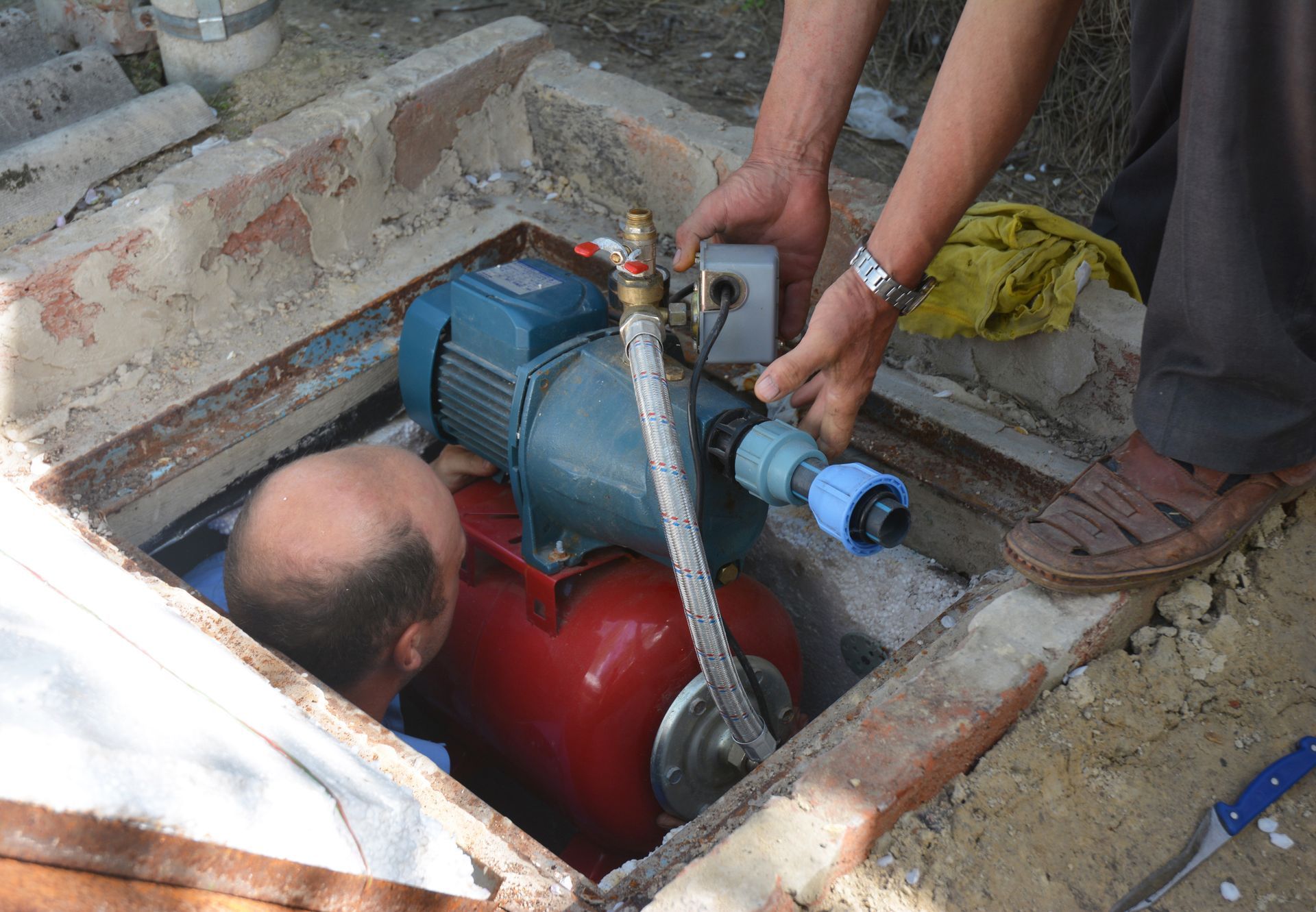
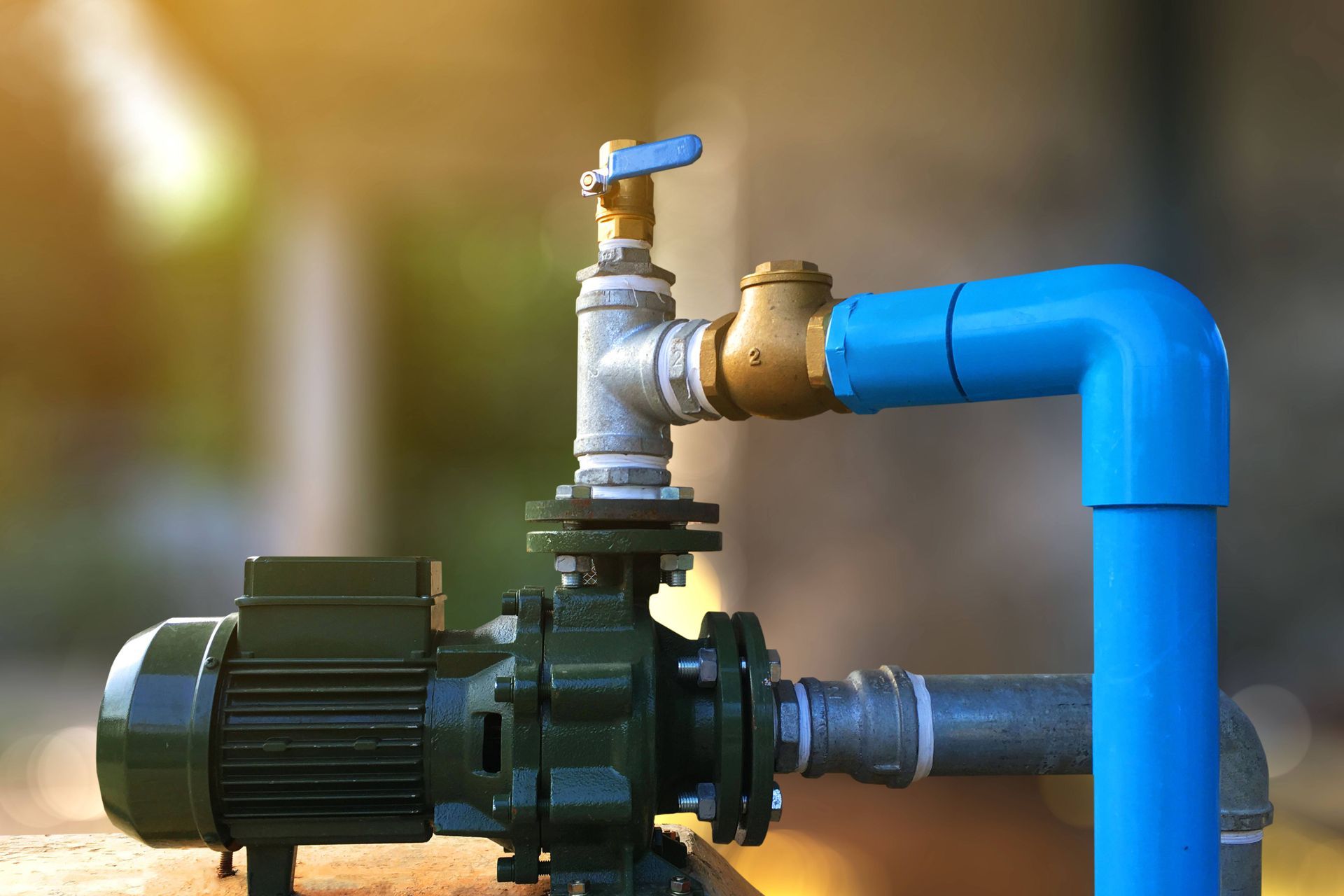
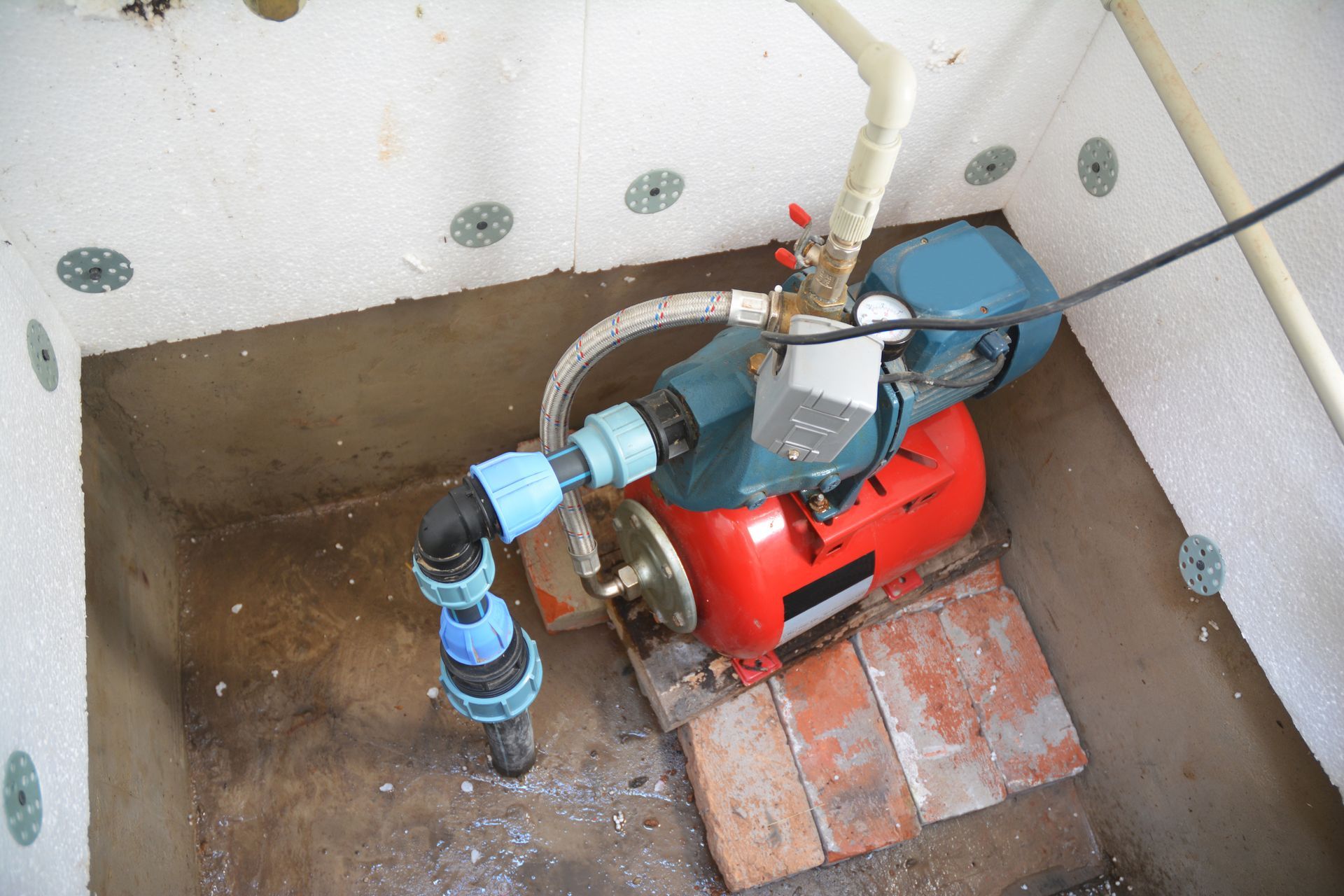
Electric well pumps connect directly to the power grid. A submersible electric pump sits below the water surface inside your well casing, using grid electricity to push water up to your home, barn, or irrigation system. These systems deliver consistent pressure and are the standard choice on most Treasure Valley properties where Idaho Power service is available.
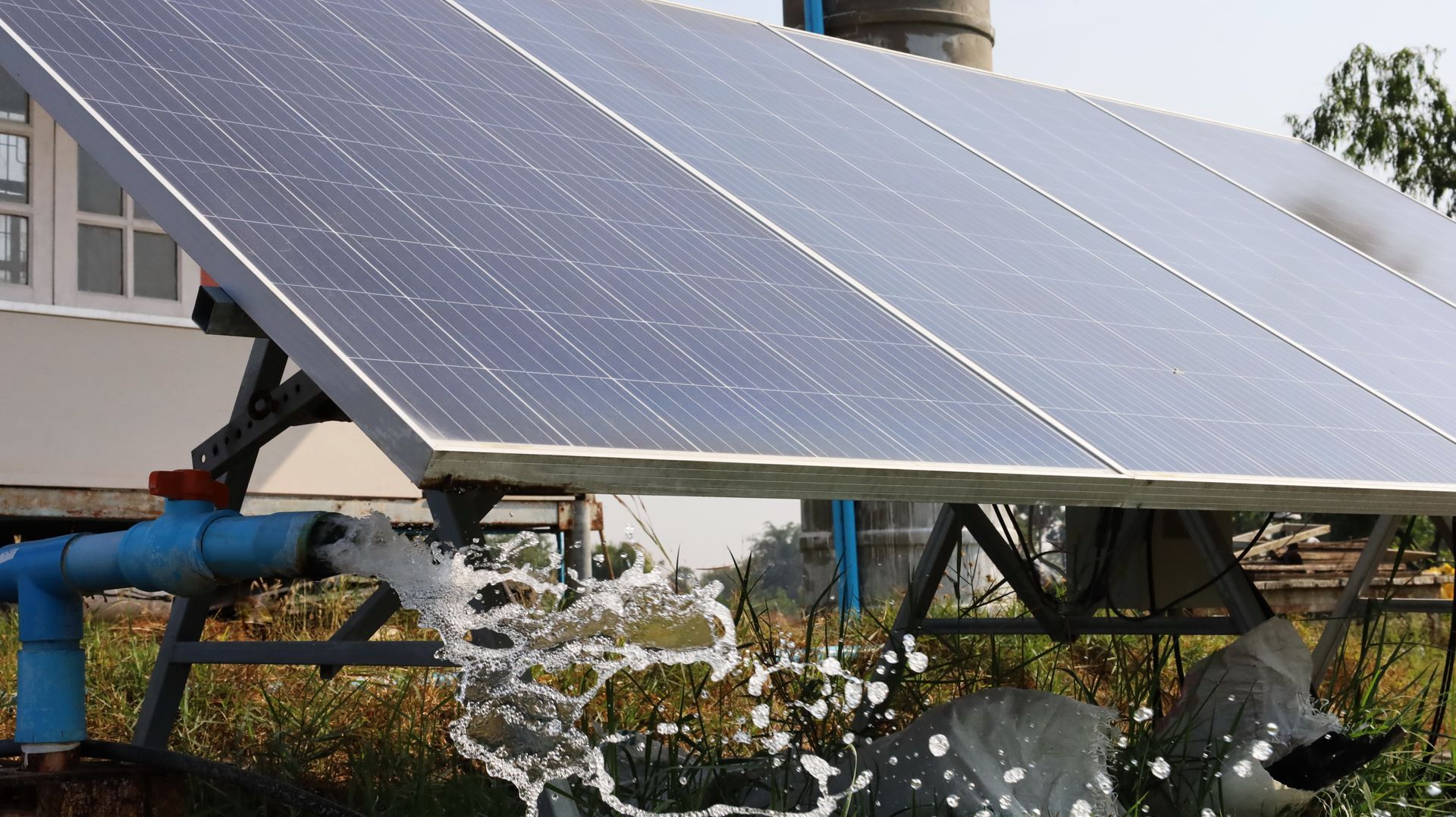
Solar well pumps work the same way mechanically, but power comes from photovoltaic panels rather than the grid. Many solar systems include a battery bank or storage tank to keep water available after dark or during cloudy periods. Canyon County's high desert terrain offers excellent sun exposure for most of the year, making solar a realistic option for properties in and around Middleton, ID.
Which Is Better for Off-Grid Properties in Canyon County?
Solar pumps are often the practical choice when grid power is unavailable or expensive to extend to a remote site. Rural parcels on the western edge of Canyon County may sit far enough from existing electrical infrastructure that running new service lines becomes a significant project. A solar pump system may eliminate that need entirely.
The tradeoff is that output can vary with seasonal sunlight. Canyon County typically receives strong solar resources from spring through fall, which aligns well with peak irrigation demand.
Grid-tied electric pumps remain the better fit for homes near established subdivisions where consistent pressure around the clock is essential and grid access already exists.
Cost-to-Operate Framing
The right answer depends on your well depth, daily water demand, and whether your property already has grid power.
Electric pumps carry ongoing utility costs every month, which can climb during summer when irrigation demand peaks. Solar pumps have no monthly electricity cost for pumping, but they require a larger upfront investment for panels, mounting hardware, and potentially a battery bank or storage tank.
Over the long run, a well-designed solar setup can offer competitive operating economics, particularly for agricultural or livestock use where daytime pumping meets most needs. A professional solar pump service assessment can help you model what that looks like for your specific well and water demand.
Idaho Well Depth and Panel Sizing Basics
Canyon County domestic wells commonly range from roughly 100 to 400 feet depending on location and local aquifer depth. Deeper wells require more power to lift water, which means more solar panels and a more capable pump motor.
A pump technician will evaluate your well's static water level, required lift, and daily gallon demand before sizing a solar array. Undersizing panels is one of the most common mistakes in DIY solar pump installations and leads to slow recharge rates and inadequate pressure.
For irrigation wells, solar can be sized to deliver high volume during daylight hours while storing water in a tank for later use. Domestic wells serving a family home may need a hybrid setup with battery backup to cover nighttime demand reliably.
Local Use Cases: Middleton and the Treasure Valley
Properties along Can-Ada Road, Happy Valley Road, and areas approaching Star and Notus often have working wells that supply both household and livestock water. Solar pumps in these settings can run cattle water systems, fill stock tanks, or supplement surface irrigation without adding to monthly utility bills.
Hobby farms and small acreages throughout Canyon County are well suited to solar pump systems that handle moderate daily volumes. Larger-scale irrigation operations may still favor electric pumps for their high-flow consistency.
Maintenance Considerations
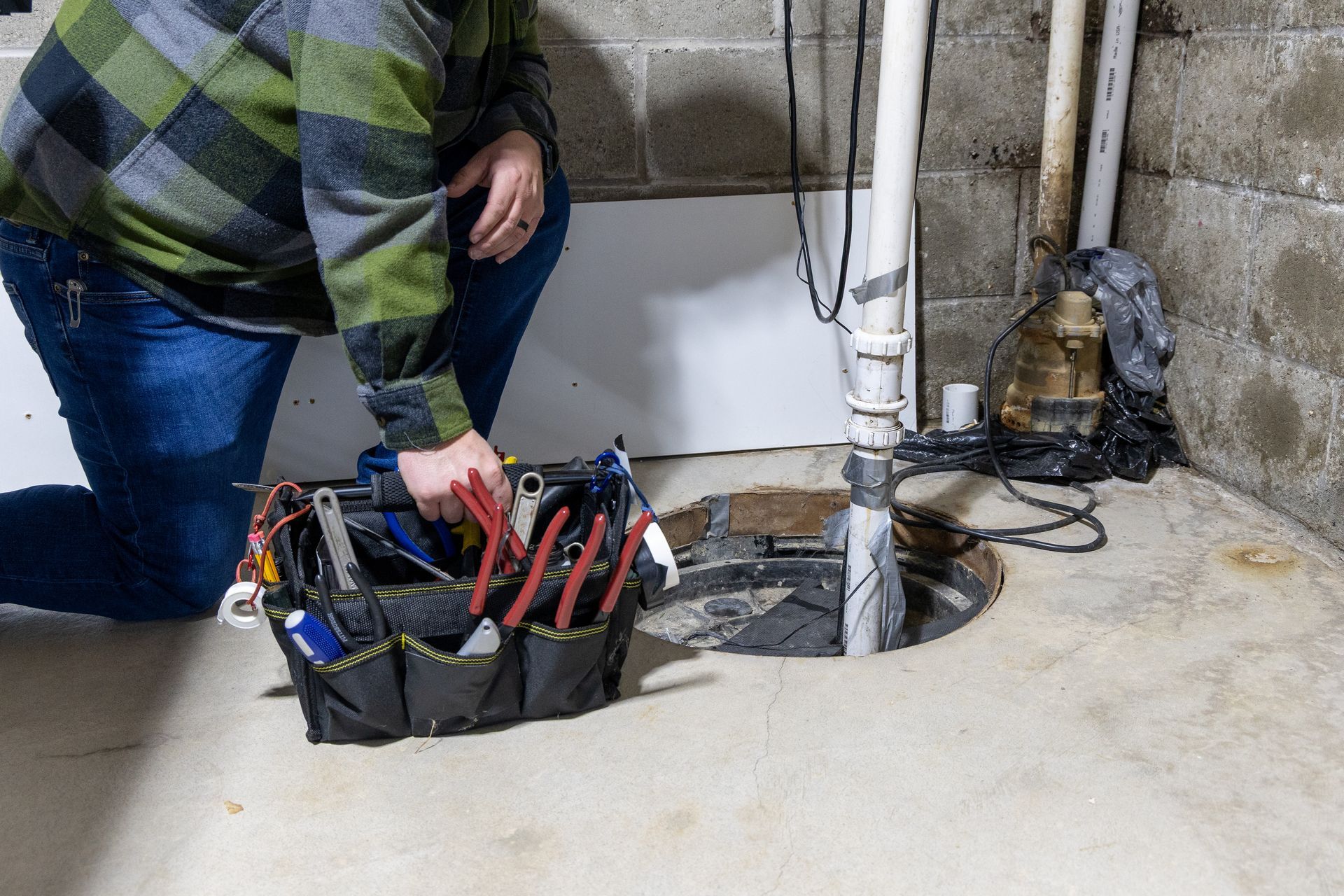
Electric pump systems need inspections of the motor, wiring, pressure tank, and control box. Solar pump systems require the same pump inspections plus panel cleaning, connection checks, and battery health monitoring if a battery bank is included.
Visit the pump well installations and repair page<https://www.custompumpservices.com/pump-well-installations-repair> to learn more about what a full-service maintenance visit covers for either system type.
Frequently Asked Questions
Can a Solar Pump Work Year-Round in Idaho?
Yes. Output may be reduced during shorter winter days, but many Canyon County homeowners address this by sizing their panel array generously for winter conditions or incorporating a small battery bank for low-light backup. The Treasure Valley's climate supports reliable solar performance for most of the year.
How Many Solar Panels Does a Well Pump Typically Need?
Panel count depends on well depth, lift requirements, and daily water demand. A shallow domestic well with low daily volume may need only a small array, while a deep irrigation well may require a substantially larger setup. A professional solar pump service assessment is the most reliable way to determine correct sizing.
Is Solar Pump Service Available for Existing Wells, or Only New Installations?
Solar pump service covers both new installations and conversions of existing electric pump systems. A technician can evaluate whether your existing well casing and depth are compatible with a solar-powered replacement pump.
Schedule Your Solar Assessment Today
Choosing between solar and electric is one of the most important decisions a Treasure Valley property owner can make for long-term water reliability. Custom Pump Services provides solar pump service and installations to rural and residential customers serving Middleton, ID, and communities throughout Canyon County and the broader Treasure Valley, with over 25 years of hands-on experience.
Call
(208) 369-0859 to request a free estimate or schedule a solar assessment. You can also submit a
service request online to get started at your convenience.
Find
Custom Pump Services on Google Maps to read customer reviews and confirm service availability for your area.